
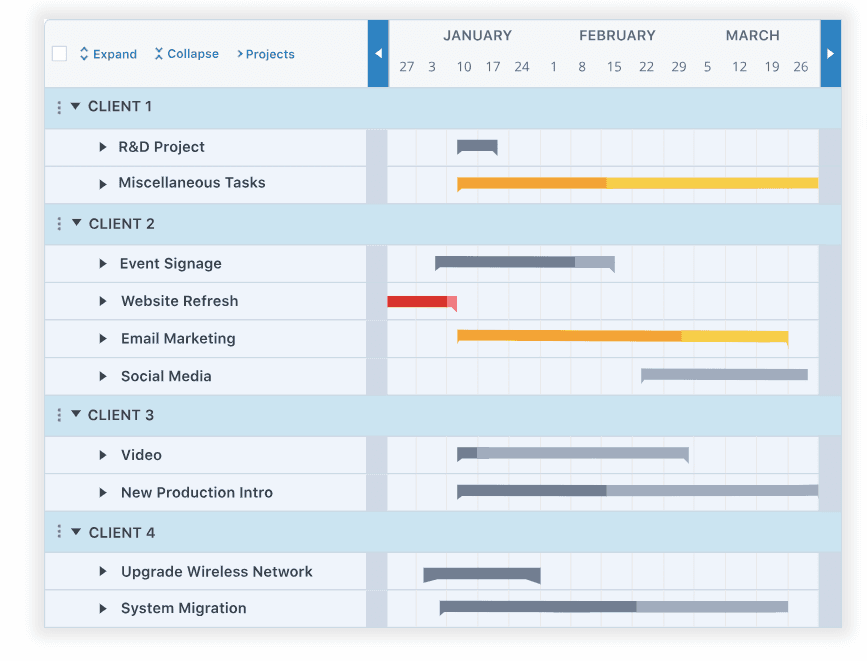

As teams grow and projects become more intricate, the traditional methods of tracking tasks, communicating updates, and managing resources often fall short. This is particularly true in today’s fast-paced business environment, where agility and clear visibility are paramount. Many organizations are realizing that a specialized tool is no longer a luxury but a necessity for operational success. The shift towards cloud-based solutions has positioned project management SaaS (Software as a Service) as a leading choice for businesses seeking to optimize their workflows and achieve strategic objectives.
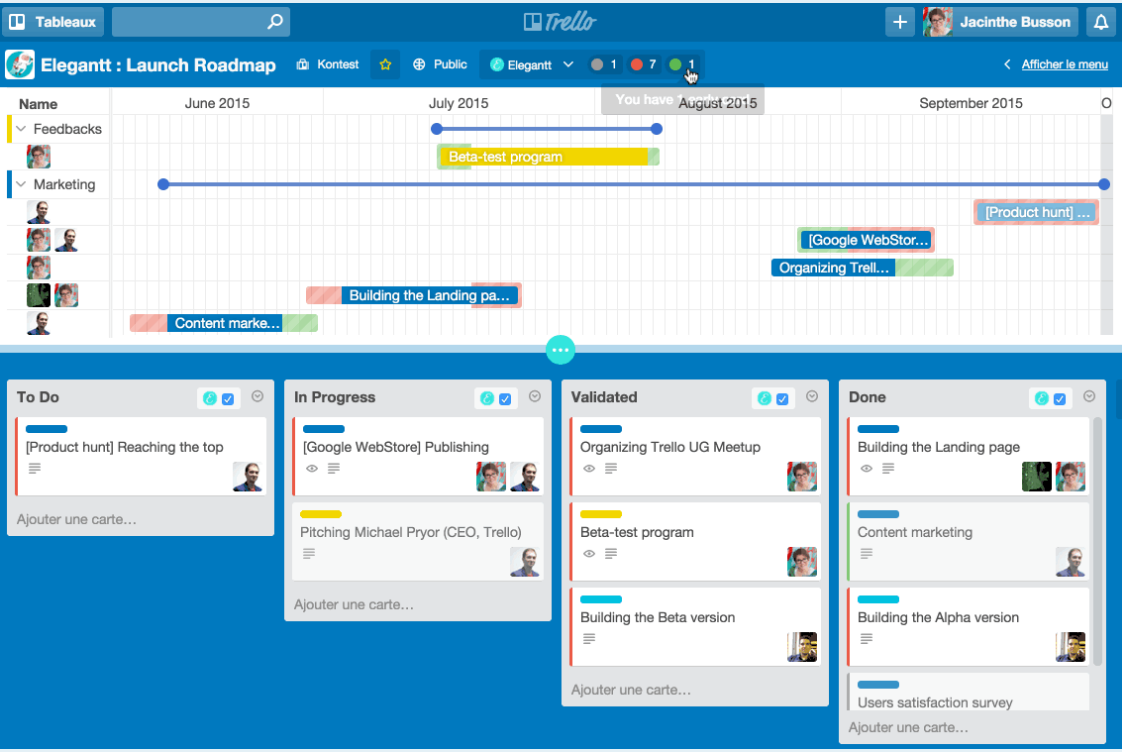
Overview:
- Project management SaaS centralizes communication and tasks, improving team coordination.
- It offers unparalleled accessibility, allowing teams to work from anywhere with an internet connection.
- Scalability is a key advantage, letting teams adjust features and users as their needs evolve.
- Compared to on-premise solutions, SaaS models often present a more cost-effective financial structure.
- These platforms provide robust reporting and analytics, offering clear insights into project performance.
- Automatic updates and maintenance are handled by the vendor, reducing IT burden for the user.
- Many SaaS solutions are designed to integrate with other business tools, creating a unified ecosystem.
Streamlined Collaboration with Project Management SaaS
One of the most compelling reasons to choose project management SaaS is its ability to centralize and streamline team collaboration. In environments where team members might be geographically dispersed, or even just working in different departments within the same office, a unified platform becomes crucial. SaaS solutions provide a single source of truth for all project-related information, including tasks, deadlines, files, and discussions. This eliminates the confusion often caused by scattered emails, fragmented chat messages, and outdated spreadsheets. Teams can communicate in real-time, share documents securely, assign responsibilities clearly, and track progress transparently. This level of shared visibility helps prevent miscommunications, reduces delays, and ensures everyone is aligned with project goals, fostering a more cohesive and productive work environment. The intuitive interfaces typical of these platforms mean less time spent on training and more time focused on actual project work.
Scalability and Accessibility Offered by Project Management SaaS
The inherent nature of Software as a Service makes it incredibly scalable and accessible, addressing common pain points for growing businesses. Whether you’re a small startup with a few team members or a large enterprise with hundreds of employees across multiple locations, project management SaaS can adapt to your specific needs. You can easily add or remove users, activate or deactivate features, and adjust storage space without significant IT overhead or upfront capital investment. This flexibility is a major advantage, especially for companies experiencing rapid growth or fluctuating project loads. Furthermore, since these tools are cloud-based, they are accessible from any device with an internet connection – a critical factor for remote teams, hybrid work models, and business travel. This “work from anywhere” capability ensures that project momentum is maintained regardless of location, supporting a more agile and responsive operation, which is particularly beneficial for businesses operating across the US and globally.
Cost-Effectiveness and Return on Investment with Project Management SaaS
Adopting project management SaaS often translates into significant cost savings and a strong return on investment compared to traditional on-premise software. With a SaaS model, businesses typically pay a recurring subscription fee, which covers the software license, maintenance, updates, and often customer support. This eliminates the need for large upfront capital expenditures on software licenses, server hardware, and dedicated IT staff to manage the infrastructure. For many organizations, particularly small to medium-sized businesses, this predictable operating expense model is much more manageable than capital expenses. Over time, the efficiencies gained through better task management, reduced communication overhead, fewer missed deadlines, and improved resource allocation contribute directly to increased productivity and profitability. The lower barrier to entry and ongoing operational savings make it a financially astute choice for optimizing project execution.
Actionable Insights and Reporting through Project Management SaaS
A key advantage of utilizing project management SaaS is the robust reporting and analytics capabilities it provides. These platforms are designed to collect and process vast amounts of project data, which can then be transformed into actionable insights. Managers can generate detailed reports on project progress, team performance, budget utilization, task completion rates, and potential bottlenecks with just a few clicks. This data-driven approach allows for better decision-making, proactive risk management, and more accurate future project planning. Instead of relying on guesswork or manual data compilation, teams have access to real-time metrics and visual dashboards that clearly illustrate where a project stands. Understanding these trends helps identify areas for improvement, optimize resource allocation, and ensure projects stay on track to meet their strategic objectives, ultimately leading to greater organizational accountability and successful outcomes.


