

What defines a true value-added product offering?

In today’s dynamic marketplace, businesses often speak of offering value, but what truly separates a basic offering from a genuine value-added product? It’s more than just a marketing buzzword; it represents a strategic approach to meeting and exceeding customer expectations, thereby creating a stronger market position. A true value-added product goes beyond its core utility, delivering supplementary benefits that significantly improve the customer’s experience, solve specific problems, or provide unique advantages that competitors struggle to replicate.
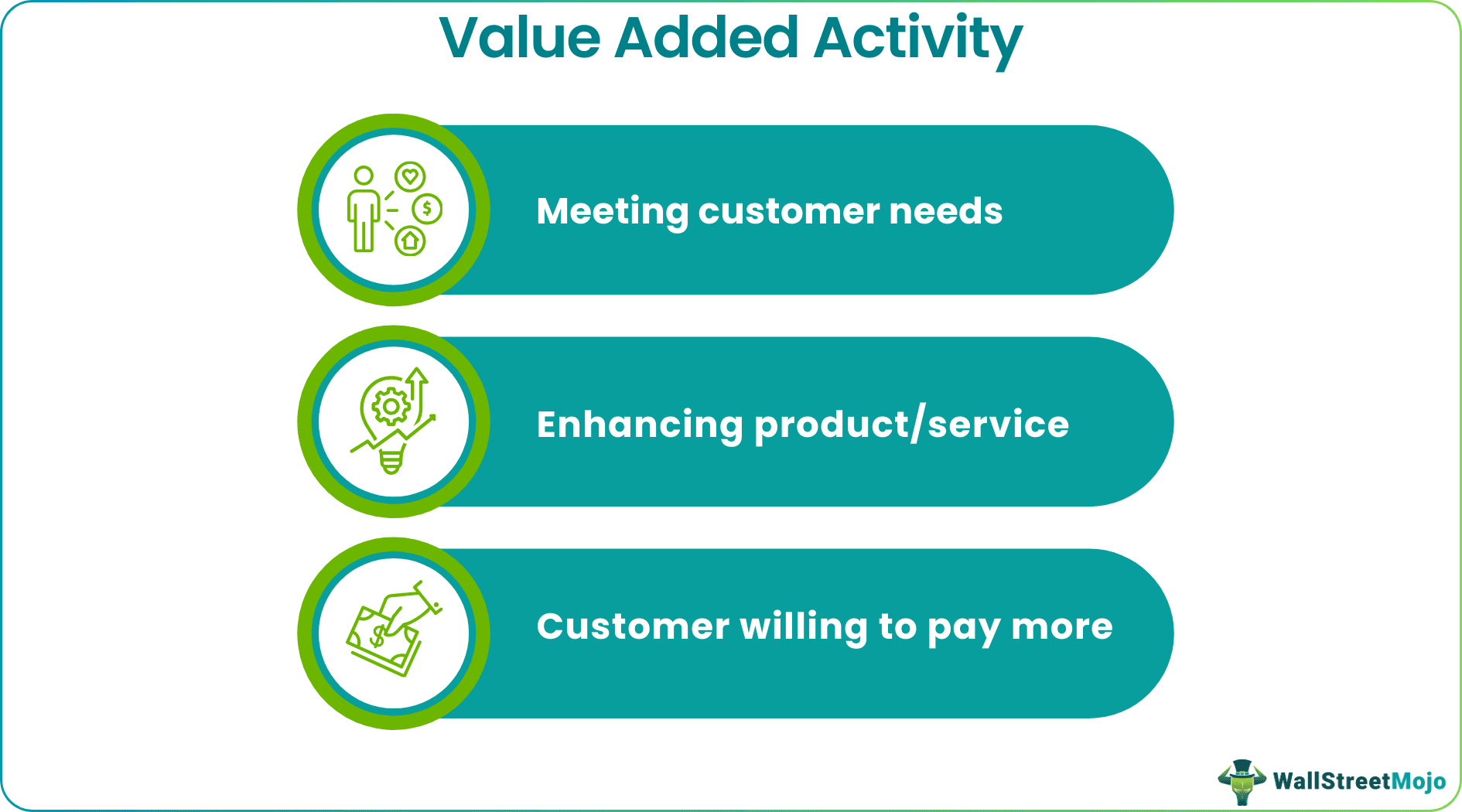
Overview:
- A value-added product extends beyond its primary function, offering extra benefits.
- It solves specific customer pain points or unmet needs in a superior way.
- Customer perception is critical; value is ultimately defined by the user.
- Such products often provide significant differentiation from standard market offerings.
- They contribute to stronger customer loyalty and sustainable business growth.
- Effective communication of these additional benefits is crucial for market acceptance.
Understanding the Core of a Value-Added Product
At its heart, a value-added product is one that delivers more than its foundational purpose. For instance, a basic smartphone allows communication, but a value-added product version might offer integrated AI assistants, advanced health monitoring, or seamless ecosystem compatibility that simplifies a user’s digital life. This additional layer of utility or convenience often addresses specific pain points or aspirations that the standard product overlooks. It could be superior quality components leading to longer lifespan, exceptional customer service that makes problem-solving effortless, or features that save time, effort, or even money for the consumer. The key is that these additions are not arbitrary; they are purposefully designed to resonate with a specific target audience, meeting their latent or explicit desires. In markets like the US, where consumer choice is abundant, differentiation through genuinely beneficial additions is paramount for standing out.
Customer Perception: The True Measure of a Value-Added Product
The definition of a value-added product is ultimately subjective, residing in the mind of the customer. A business might invest heavily in extra features, but if these features aren’t perceived as beneficial or desirable by the end-user, they fail to add value. This highlights the importance of deep market research and understanding consumer psychology. What one customer considers a crucial enhancement, another might see as unnecessary complexity or cost. For example, some consumers might highly value ethically sourced materials and transparent supply chains, viewing these as significant additions to a product’s appeal, while others might prioritize performance or price above all else. Therefore, a successful value-added product strategy is not just about what a company adds to its offering, but what the customer receives and appreciates from those additions. It’s about creating a positive emotional connection or fulfilling a practical need that justifies a premium or fosters loyalty.
Operationalizing a Value-Added Product Strategy
Creating a genuine value-added product requires more than just innovative ideas; it demands strategic execution across various business functions. This includes meticulous product development, ensuring the added features are reliable and perform as promised. It also involves efficient supply chain management to deliver consistent quality and availability, as any disruption can erode the perceived value. Service integration plays a crucial role; for many products, the support, warranty, or post-purchase experience can be a significant value differentiator. Furthermore, effective communication is non-negotiable. Businesses must clearly articulate how their product adds value, translating technical specifications into tangible customer benefits. This means crafting compelling marketing messages that resonate with target audiences and educating sales teams on how to effectively convey the unique advantages of their value-added product over standard alternatives.
Sustainable Growth Through a Value-Added Product Offering
For businesses, offering a true value-added product is not just about momentary sales spikes; it’s a pathway to sustainable growth and long-term market leadership. Products that consistently deliver extra value tend to foster stronger customer loyalty, reducing churn and encouraging repeat purchases. They also create opportunities for premium pricing, as customers are often willing to pay more for offerings that solve their problems more effectively or provide a superior experience. This can lead to healthier profit margins, which can then be reinvested into further innovation and product development. Moreover, a reputation for delivering value-added product offerings strengthens brand equity, making a company more resilient to competitive pressures and market fluctuations. It builds a distinct competitive advantage that is harder for rivals to imitate, setting the business apart in crowded markets.


